

Understanding the Condition
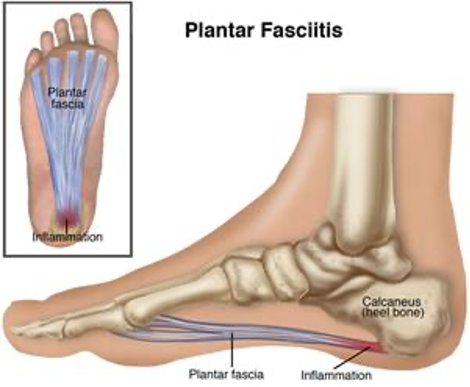
Plantar fasciitis presents as pain in the heel area. The plantar fascia—a dense strip of tissue that runs from your heel bone to the front of your foot—can become irritated or develop small tears. Pain typically occurs when bearing weight, especially during your initial steps after waking. Discomfort may appear at the heel region, across the arch, or near the ball of the foot.
This foot ailment is quite prevalent among the general population.
Risk Factors
Several elements may increase your likelihood of developing plantar fasciitis:
- Being over 40 years of age
- Engaging in occupations, athletic activities, or hobbies requiring extended periods of standing or weight-bearing movements
- Sudden increases in activity duration or intensity, such as starting a new running routine or transitioning to work that demands significantly more standing or walking than you’re used to
- Limited flexibility in the calf muscles
- Excess body weight (BMI exceeding 30)
- Foot structure that tends toward flatness (pronation)
Plantar fasciitis can affect individuals across all age groups, including both athletic and non-athletic populations. The condition occurs with equal frequency in males and females.
Proper treatment typically diminishes pain and helps restore normal weight-bearing function to your foot.
What Exactly Is Plantar Fasciitis?
Plantar fasciitis is characterised by heel pain resulting from inflammation or tearing of the plantar fascia, the thick tissue band connecting your heel to the ball of your foot. The condition typically develops when repetitive weight-bearing activities strain this connective tissue.
Individuals diagnosed with plantar fasciitis may also exhibit heel spurs—bony projections that form on the heel bone. However, many people with heel spurs experience no pain from them.
While plantar fasciitis most commonly affects people in their 40s, it can develop at any age. The condition frequently appears in runners and other athletes, but also affects non-athletes whose professions require prolonged standing, such as law enforcement officers, retail workers, or food service employees.
Symptoms
Plantar fasciitis symptoms often emerge following a sudden increase in physical activity. You might experience sharp pain beneath your heel, along with tightness or tenderness along the arch.
Pain associated with plantar fasciitis typically occurs:
- Upon taking your first steps in the morning after getting out of bed
- During extended periods of standing
- When rising to your feet after sitting for some time
- Following intense weight-bearing activities like running
- While climbing stairs
- When walking barefoot or wearing shoes with inadequate support
As your body warms up, discomfort may actually decrease during the day, only to intensify again later due to accumulated walking. Severe symptoms might cause you to develop a limp.
Diagnosis Process
An Osteopath’s diagnosis relies on your health history, activity patterns, and clinical evaluation. Your therapist will also review your medical background to rule out other potential causes of pain. Sharing details about how your symptoms relate to work and recreational activities, along with any lifestyle changes, helps your Osteopath diagnose your condition accurately and create a treatment plan tailored to your specific needs.
To confirm plantar fasciitis, your therapist may perform several physical tests to check for symptom reproduction:
- Applying pressure and massage to the heel region (palpation)
- Carefully stretching the ankle to flex the top of your foot toward your leg (dorsiflexion)
- Gently pushing your toes in the direction of your ankle
How Osteopathy Can Help
Osteopaths are specifically trained in evaluating and treating plantar fasciitis.
Once diagnosed, your Osteopath will collaborate with you to develop a program aimed at reducing your symptoms, which may include:
- Stretching exercises to enhance flexibility in your ankle and plantar fascia
- A night splint to maintain correct ankle and toe positions
- Selection of supportive footwear and/or shoe inserts that minimise foot pronation and reduce stress on the plantar fascia
- Application of ice to decrease pain and inflammation
- Iontophoresis (a gentle method for delivering medication through the skin)
- Foot taping techniques for temporary relief
Research indicates that most plantar fasciitis cases improve over time with these conservative approaches, and surgical intervention is rarely necessary.
Prevention Strategies
Guidelines for preventing or managing plantar fasciitis include:
- Selecting footwear with proper arch support
- Regularly replacing shoes to ensure continued arch support and shock absorption
- Using cushioned mats if your job requires standing in one position for extended periods
- Applying sound exercise principles, including warm-ups and gradual increases in workout intensity and duration to avoid overloading the plantar fascia
- Performing calf and foot stretches before and after walking or running activities
- Maintaining a healthy weight
Finding the Right Osteopath
All registered Osteopaths are qualified through education and experience to treat plantar fasciitis. However, you might consider:
- An Osteopath experienced in treating orthopaedic and sports injuries, particularly those with expertise in ankle and foot conditions
- Ask family members, friends, or other healthcare professionals for recommendations
- When contacting an Osteopathy clinic for an appointment, inquire about the Osteopaths’ experience with heel pain cases
Our Osteopath Dr Paul O’Keefe has extensive experience in managing patients with plantar fasciitis, if you would like to book an appointment with him CLICK HERE, alternatively call 03 9329 7077 to make an appointment.