

If you’re dealing with ongoing aches, stiffness, or restricted movement, you might be wondering whether osteopathic care is right for you. Osteopathy focuses on the musculoskeletal system, using hands-on treatment to support mobility, relieve pain, and improve overall function. In this article, we explore five common signs that it may be time to see an osteopath in North Melbourne — helping you make informed choices and take proactive steps towards better movement and long-term health.
To understand how osteopaths can help, it’s useful to consider therapeutic approaches and conceptions of practice of osteopaths in Australia. Analysing patient demographics and clinical presentations can also give you an idea of whether osteopathy may be right for you. Let’s delve into these signs to see if osteopathic care at Premier Health Partners is right for you.
What is Osteopathy?
Osteopathy is a patient-centred approach to healthcare that focuses on the connection between the body’s structure and its function. Osteopaths use evidence-based manual techniques to assess, treat, and prevent musculoskeletal conditions, aiming to restore movement, reduce pain, and support the body’s natural ability to heal.
As supported by growing research, osteopathy plays an increasingly important role in delivering comprehensive, integrated care, particularly for patients dealing with chronic pain, injury rehabilitation, or functional movement concerns.
How Do You Know If Osteopathy Is Right for You?
Osteopathy may be a suitable option if you’re looking for a holistic, hands-on approach to managing your health. Rather than simply treating symptoms, osteopaths aim to identify and address the root cause of pain or dysfunction — considering how different systems of the body work together to support overall wellbeing. If you value personalised care and evidence-based manual therapy, osteopathy can play a meaningful role in your health journey.
Here are five common signs that it might be time to see an osteopath:
1. Chronic Pain That Persists
Ongoing pain that lasts beyond three months — whether it’s in your back, neck, joints, or presents as frequent headaches — may indicate a deeper issue that needs professional support. Chronic pain often doesn’t respond to quick fixes and requires a considered, long-term approach.
At Premier Health Partners, our osteopaths work to identify and treat the root causes of musculoskeletal pain using manual therapy and tailored exercise programs. By restoring mobility and function, we help reduce discomfort and improve daily quality of life. Especially for the 1 in 5 Australians living with chronic pain.
2. Reduced Mobility or Stiffness
If you’re experiencing difficulty with movement — whether from injury, poor posture, or the natural effects of ageing — osteopathy can help restore flexibility and function. Restricted movement can limit independence and affect everyday tasks, but it doesn’t have to be permanent.
Our osteopaths use techniques such as soft tissue work, joint articulation, and targeted stretching to relieve tension and improve mobility. These services are complemented by our broader allied health team, including exercise physiologists, to support long-term musculoskeletal health and active living.
3. Lingering Pain from Past Injuries
Old injuries that haven’t healed properly, such as sprains, strains, or fractures, can lead to persistent discomfort and limited movement. Scar tissue, poor alignment, or muscle compensation may be the cause.
Osteopaths at Premier Health Partners are trained to assess these residual issues and apply manual techniques to improve alignment, reduce restrictions, and support healing. Our goal is to help you move freely again, prevent future flare-ups, and restore confidence in your body’s function.
4. Stress-Related Tension
Chronic stress often shows up physically through muscle tightness, headaches, jaw pain, or postural strain. Manual therapy can play a valuable role in relieving this tension and helping the body reset.
Using gentle, hands-on techniques, our osteopaths help reduce muscular stiffness and promote circulation, which may support better relaxation and nervous system balance. As part of our lifestyle medicine focus, we recognise the connection between mental and physical wellbeing — and aim to support both through personalised, holistic care.
5. A Whole-Person Approach to Care
If you’re looking for a treatment that considers more than just the symptom in front of you, osteopathy may be the right fit. Osteopaths take into account your lifestyle, medical history, and overall health to develop a treatment plan that supports your broader wellbeing.
At Premier Health Partners, this whole-person approach is central to everything we do. Our integrated model combines general practice with allied health services — including osteopathy, exercise physiology, myotherapy, and clinical Pilates — to deliver coordinated, personalised care for long-term health.
What Are the Benefits of Osteopathy?
Osteopathic treatment offers a wide range of benefits that go beyond pain relief. These include:
- Improved joint mobility and flexibility
- Reduced muscle tension and stiffness
- Enhanced circulation
- Better posture and balance
- Pain management and reduction
- Improved overall well-being
What Should You Expect from Osteopathic Treatment in North Melbourne?
Understanding what to expect during osteopathic treatment can help you feel more confident and informed in your care. At Premier Health Partners, our osteopaths use a range of evidence-based manual techniques tailored to your individual needs. Treatment typically begins with a thorough assessment of your medical history, symptoms, and physical function, followed by a hands-on approach to support mobility, reduce pain, and restore balance.
Common techniques used during treatment may include:
- Soft tissue massage – to ease muscle tension and improve circulation
- Joint mobilisation – to increase movement in stiff or restricted joints
- Muscle energy techniques – to address muscle imbalances and support joint alignment
- Articulation – gentle, repetitive movements that enhance joint mobility
- Manipulation – targeted thrusts to restore joint function (used only when appropriate)
- Myofascial release – to relieve tension in the connective tissue around muscles
- Visceral manipulation – gentle techniques to support the function of internal organs
Your osteopath will explain each step and adjust your care based on your comfort and goals, ensuring a personalised, evidence-informed approach to treatment.
How Do Osteopaths Approach Musculoskeletal Treatment?
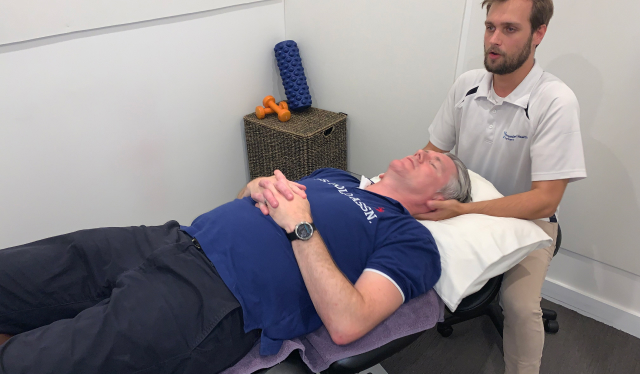
Osteopaths take a whole-person approach to musculoskeletal care, viewing the body as an interconnected system rather than treating symptoms in isolation. Treatment begins with a comprehensive assessment. This includes your medical history, a physical examination, and tests to evaluate posture, movement, and joint function.
From there, your osteopath develops a personalised treatment plan tailored to your specific needs, aiming to address the root cause of your discomfort, restore function, and support long-term health.
What Factors Influence the Effectiveness of Osteopathic Care?
The outcomes of osteopathic care can vary based on several important factors, including:
- Patient compliance: Following the osteopath’s recommendations and engaging in prescribed exercises or lifestyle changes.
- Severity of the condition: The more severe or chronic the condition, the longer it may take to see significant improvement.
- Overall health: Underlying health conditions can affect the body’s ability to heal.
- Lifestyle factors: Diet, exercise, stress levels, and sleep habits can all impact treatment outcomes.
- The osteopath’s experience and expertise: Choosing a qualified and experienced osteopath can enhance the effectiveness of treatment.
How to Choose the Right Osteopath in North Melbourne?
Selecting the right osteopath is pivotal for receiving effective and personalised care. Here are some considerations to help you make an informed choice.
- Qualifications and Registration: Ensure the osteopath is registered with the Osteopathy Board of Australia.
- Experience: Consider the osteopath’s experience, particularly in treating your specific condition.
- Communication Skills: Choose an osteopath who listens to your concerns and clearly explains your diagnosis and treatment plan.
- Personalised Approach: Look for an osteopath who takes a holistic approach and tailors treatment to your individual needs.
- Reviews and Recommendations: Check online reviews and ask for recommendations from friends, family, or other healthcare providers.
How Do Local Osteopaths Differ from General Practitioners?
While both general practitioners (GPs) and osteopaths play vital roles in patient care, their areas of expertise and treatment approaches differ. GPs offer broad medical care — diagnosing and managing illnesses, prescribing medication, and coordinating referrals to specialists. Osteopaths focus specifically on the diagnosis, treatment, and prevention of musculoskeletal issues, using hands-on techniques to improve alignment, mobility, and overall function.
Premier Health Partners uses these disciplines to work together. Our integrated model combines expert general practice with allied health services, including osteopathy, exercise physiology, myotherapy, and clinical Pilates. This provides coordinated, whole-person care for musculoskeletal conditions, chronic disease management, and overall wellness.
Is osteopathy suitable for all ages?
Osteopathy can benefit people at every stage of life, from infancy through to older age. Treatment techniques are tailored to suit each person’s age, condition, and overall health. For infants, it may support musculoskeletal concerns related to birth; for children, it can help manage postural issues during growth. Adults often seek osteopathic care for work-related strain or injury, while older patients may benefit from support with joint stiffness, mobility, and age-related musculoskeletal changes.
What should I expect during my first appointment?
At your initial consultation, your osteopath will take the time to understand your health history, current symptoms, and overall lifestyle. A physical examination will follow, which may include assessments of your posture, joint mobility, and range of motion. Based on these findings, your osteopath will explain their assessment and outline a personalised treatment plan tailored to your specific needs. In many cases, treatment begins during the first visit, though follow-up appointments may be recommended for ongoing care.
Premier Health Partners is committed to delivering high-quality, patient-centred care and values feedback as an important part of improving services. If you have any concerns, we encourage you to speak directly with your practitioner or contact our clinic by calling 03-9329-7077.
To learn more about our services or to even book your first osteopathy appointment, visit our website at www.premierhealthpartners.com.au.